


Steel Beam Repair and Structural Welding in Ada Oklahoma Trusted Local Experts

A damaged steel beam is not a small repair to “get to later.” When a beam bends, cracks, rusts through, or pulls away from a connection, the whole structure can start carrying weight in ways it was never designed to handle.
That is why steel work needs more than a quick weld. It needs careful inspection, the right repair plan, skilled welding, and respect for the building’s load path. For property owners, contractors, farmers, facility managers, and business owners in Ada, dependable structural repair can protect the building, the people inside it, and the work that happens there every day.
If you are looking for steel beam repair and structural welding in Ada, Oklahoma, this guide explains what strong repair work involves, when to call a professional, and what to expect from a qualified welder.

Steel beam repair is about strength, not appearance
Steel is tough, but it is not indestructible. Beams can fail or weaken because of age, corrosion, impact, poor drainage, overloaded spans, bad connections, fire damage, or incorrect modifications.
A repair may look simple from the ground. A crack may seem small. A beam may only show a little deflection. The real question is whether the steel still supports the load safely.
Good steel beam repair starts with understanding three things:
What caused the damage
A beam damaged by rust needs a different repair than a beam damaged by impact or overload.
Where the load is moving
The repair must restore the intended path of weight through beams, columns, plates, bolts, and welds.
What the structure needs after the repair
A warehouse, garage, barn, canopy, mezzanine, or commercial building may each require a different repair method.
A professional structural welder does not simply cover a crack with weld metal. The right approach may include reinforcement plates, splice plates, new brackets, column repairs, beam replacement, bolt replacement, or engineered welding procedures.
Read our post ---> Steel Beam Repair vs. Replacement: How Engineers Decide
Common signs a steel beam needs professional attention
Steel problems are often visible before they become urgent. The key is knowing what to look for.
Call a qualified welder or structural repair specialist if you notice any of these warning signs.
Cracks in the beam or welds
Cracks can form in the base metal, around welds, or near bolted connections. Even short cracks deserve attention because steel can continue to tear under movement, vibration, or load.
Sagging or deflection
A beam that bows downward, twists, or looks uneven may be overloaded or weakened. Some deflection can be normal, but visible changes should be checked.
Rust, flaking, or section loss
Surface rust is common. Heavy rust that flakes, pits, or eats into the steel can reduce the beam’s strength. This is especially common where water collects or where steel sits against concrete, soil, or unsealed openings.
Loose or damaged connections
A steel beam is only as strong as its connections. Bent plates, missing bolts, cracked welds, and separated joints can all reduce support.
Impact damage
Forklifts, vehicles, equipment, and falling materials can dent or bend steel members. Even if the beam still stands, impact damage can affect alignment and load capacity.
Doors, floors, or walls that shift nearby
Steel movement can show up in other parts of a building. Sticking doors, uneven floors, cracked masonry, or gaps near framing may point to a structural issue.
Structural welding serves homes, farms, shops, and commercial buildings
Ada and the surrounding area include a mix of properties, from residential garages and workshops to agricultural buildings, retail spaces, industrial facilities, and metal buildings. Structural welding supports all of them.
Common structural welding projects include:
Steel beam repair
Column repair and replacement
Beam splice welding
Plate reinforcement
Bracket fabrication and installation
Equipment support frames
Mezzanine repairs
Canopy and awning supports
Metal building frame repairs
Trailer and heavy equipment frame welding
Stair, handrail, and platform repairs
Door frame and lintel support repair
Pipe rack and utility support welding
Some jobs happen in a fabrication shop. Others require mobile welding on-site. On-site welding is often the best choice when beams, columns, equipment frames, or building components cannot be removed without major work.
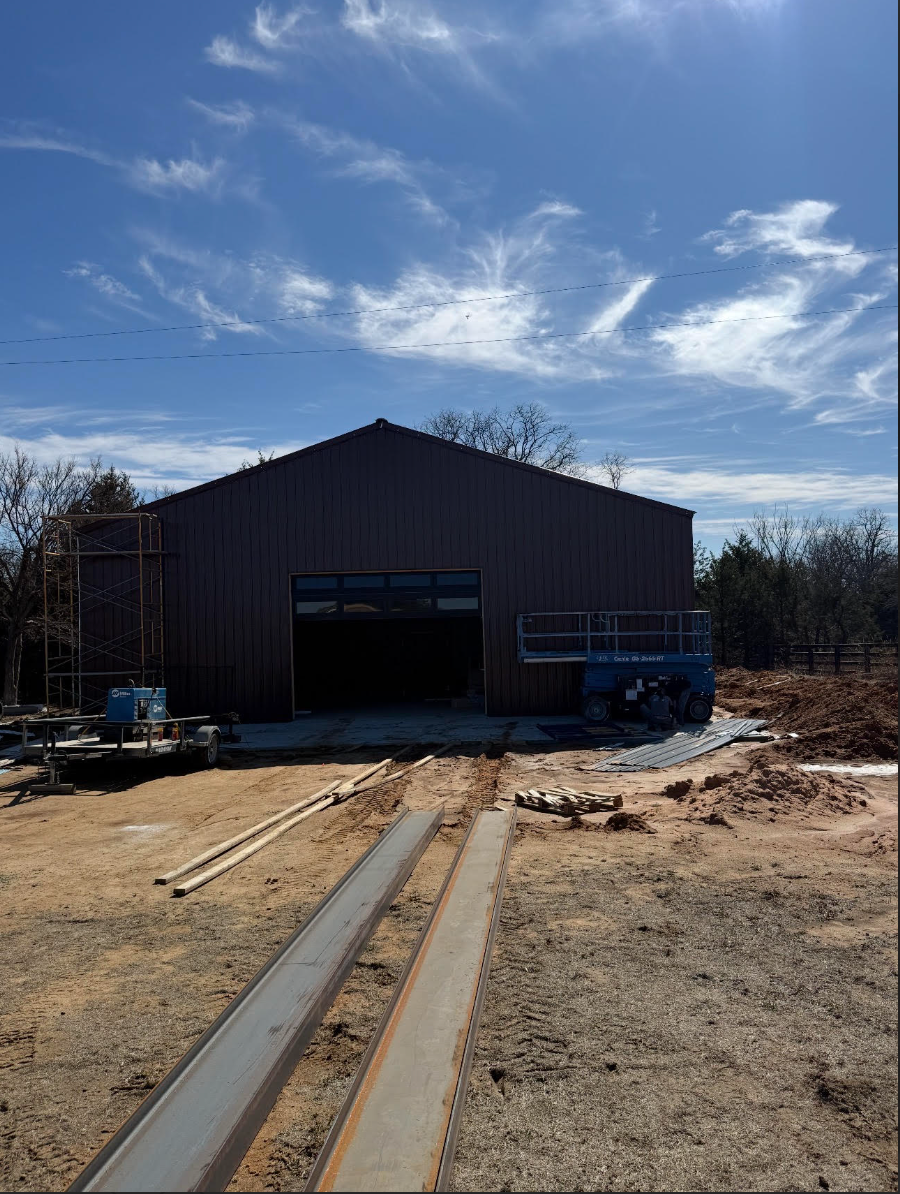
What a proper steel beam repair process looks like
Strong repair work follows a clear process. Skipping steps can lead to weak welds, failed inspections, or repeat damage.
1. Inspect the damaged area
The first step is a close inspection. A welder looks at the visible damage, surrounding connections, beam size, corrosion, access, and safety risks.
For structural issues, an engineer may need to review the damage and specify the repair. This is common when a beam carries a major load, supports occupied space, or shows serious deformation.
2. Identify the cause
Repairing the beam without fixing the cause can lead to the same failure again. For example, welding a rusted section will not solve the problem if water keeps collecting in the same spot.
Common causes include:
Poor drainage
Roof or wall leaks
Overloaded storage areas
Vehicle impact
Equipment vibration
Cut or altered steel
Old weld failure
Soil movement affecting supports
3. Plan the repair method
The repair method should match the damage. A small bracket repair may need a simple weld. A cracked main beam may need reinforcement plates or a full replacement section.
Possible repair methods include:
Grinding out and rewelding cracks
Adding cover plates or stiffeners
Replacing damaged beam sections
Reinforcing weak connections
Installing new bolts or anchor plates
Straightening or replacing bent members
Adding temporary shoring before repair
For structural steel, the repair plan may need to follow engineer drawings, local code requirements, or welding standards such as AWS D1.1 when applicable.
4. Prepare the steel correctly
Welding over paint, rust, oil, or dirt can weaken the weld. Proper prep may include grinding, cleaning, cutting, beveling, clamping, and aligning the parts.
This step is not glamorous, but it matters. Many weld failures trace back to poor fit-up or dirty material.
5. Weld with the right process and filler metal
Different jobs call for different welding methods. Stick welding, MIG welding, flux-cored welding, and other processes each have a place.
The welder must choose the right process based on steel type, thickness, position, access, weather, and strength requirements. Outdoor structural work may require extra care because wind, moisture, and dirty surfaces can affect weld quality.
6. Check the finished work
After welding, the repair should be inspected visually. Depending on the job, further testing may be needed. That can include measurements, engineer review, bolt checks, or non-destructive testing.
The goal is simple: the repaired area should safely do its job.
Why local experience matters in Ada
Local work is not just about being nearby. It is about understanding the kinds of structures and job sites common around Ada and Pontotoc County.
A local structural welding team may work on:
Metal shops and garages
Commercial storefronts
Agricultural buildings
Utility structures
Industrial equipment supports
Residential support beams
Carports, canopies, and awnings
Oilfield and heavy equipment components
Local crews also understand practical job site needs. Some repairs have to happen around business hours. Some properties need mobile welding because equipment cannot be moved. Some buildings need temporary support before damaged steel can be cut or welded.
Fast response matters too. If a beam is cracked, bent, or unstable, waiting too long can make the repair more expensive and more dangerous.
What to look for in a structural welding contractor
Not every welder should repair load-bearing steel. Structural welding requires the right skill, tools, judgment, and respect for safety.
Before hiring someone for steel beam repair, look for these qualities.
Experience with structural steel
A welder who mainly handles light fabrication may not be the right fit for beams, columns, and load-bearing repairs. Ask about similar work, especially beam repair, frame reinforcement, and on-site welding.
Ability to work from drawings or engineer instructions
Many structural repairs require a specific plan. A qualified contractor should be comfortable following repair details, weld symbols, plate sizes, bolt patterns, and steel specifications.
Proper equipment for mobile work
On-site repairs may require welding machines, cutting equipment, lifting tools, grinders, clamps, safety gear, and power options. A well-prepared crew can work more safely and efficiently.
Clear inspection and repair recommendations
A good contractor should explain what they see and what needs to happen. Be cautious if someone gives a price without looking closely at the damage.
Safety-first approach
Structural work can involve shoring, overhead welding, heavy steel, fire risk, and occupied buildings. Safety should guide every step.
Honest limits
Some repairs need an engineer. Some beams should be replaced rather than patched. A trustworthy welder will say so when the job calls for more review.
When repair is better than replacement
Replacing a steel beam can be the right answer, especially when corrosion or deformation is severe. Still, repair can be a strong and cost-effective option when the main beam remains sound and the damage is limited.
Repair may make sense when:
The damaged area is small
The beam can still be safely supported during work
Reinforcement can restore capacity
The connections need improvement more than the beam itself
Replacement would require major demolition
An engineer approves the repair method
Replacement may be safer when:
Rust has removed too much steel
The beam is badly bent or twisted
Multiple cracks appear in critical areas
Fire or impact damage changed the steel’s shape
A previous repair failed
The beam no longer fits the structure’s needs
The right answer comes from inspection, not guessing.
How to prepare for a steel beam repair visit
A little preparation helps the welder inspect the issue and plan the work.
Before the visit, gather what you can:
Photos of the damaged area
Any building plans or steel drawings
Details about when the problem appeared
Notes about leaks, impacts, or recent changes
Access information for gates, doors, or tight spaces
Power availability, if known
Any concerns about people, inventory, vehicles, or equipment nearby
If the beam looks unsafe, keep people away from the area. Do not remove supports, cut steel, drill holes, or try to straighten the beam without professional guidance. Those steps can shift loads and make the situation worse.
The value of doing structural welding right the first time
A poor weld can look fine from a distance. It may even hold for a while. The problem is that structural steel does not forgive weak repairs forever.
A rushed repair can lead to:
Cracking around the weld
More movement in the beam
Damage to nearby framing
Failed inspections
Higher repair costs later
Safety risks for workers, tenants, or family members
Good structural welding protects more than one beam. It protects the building’s function. It keeps equipment supported, doors aligned, roofs stable, and spaces usable.
Quality repair also gives owners a clearer record of what was done. That can help with future maintenance, inspections, insurance questions, or property sales.
FAQ
How do I know if my steel beam can be repaired?
A qualified welder can inspect the damage and explain the options. If the beam carries major structural load or shows serious bending, cracking, or rust loss, an engineer may need to approve the repair plan.
Is structural welding safe to do on-site?
Yes, many structural welding jobs happen on-site. The area must be prepared correctly, with attention to fire safety, ventilation, access, temporary support, and nearby people or materials.
Can a cracked weld be welded over?
A cracked weld should not simply be covered. The damaged weld usually needs to be cleaned, ground out, inspected, and repaired with the right process. The cause of the crack should also be addressed.
Do steel beam repairs require permits in Ada?
Permit needs vary by project and property type. Structural changes, commercial buildings, and engineered repairs may require approval. Check with local building officials or ask your contractor if the job may need review.
How soon should I fix a damaged steel beam?
As soon as possible. If the beam is cracked, sagging, rusted through, or separating from a connection, keep people away from the area and schedule an inspection. Delay can increase damage and risk.
Strong steel repairs start with the right plan
Steel beam repair should never be treated like a cosmetic patch. The repair needs to match the damage, the load, the building, and the long-term use of the space.
For Ada property owners, the best results come from experienced structural welders who inspect carefully, prepare the steel correctly, follow sound repair methods, and know when engineering input is needed.
When steel supports your building, equipment, inventory, or daily work, choose repair work built for safety and lasting strength.


Comments